Post
Soft-Touch Bedroom Furniture: Designing Spaces for Rest and Renewal
Jun
Soft-Touch Bedroom Furniture: Designing Spaces for Rest and Renewal
Introduction
The modern bedroom has evolved far beyond its traditional purpose as a place solely for sleep. Today, it serves as a personal sanctuary—a retreat where individuals can unwind, recharge, and escape the demands of everyday life. As wellness-focused living continues to influence interior design, homeowners are increasingly seeking furniture that promotes comfort, relaxation, and emotional well-being. Among the most influential trends shaping contemporary bedrooms is the growing popularity of Soft-Touch Bedroom Furniture.
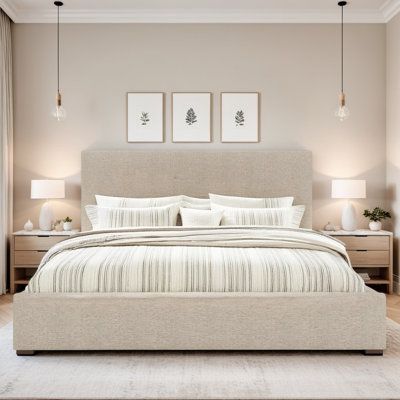
Soft-touch furniture emphasizes tactile comfort, inviting textures, and gentle forms that create a soothing atmosphere. From upholstered bed frames and padded headboards to bouclé accent chairs and plush storage benches, these furnishings transform bedrooms into environments designed for rest and renewal. Rather than relying on harsh lines or purely functional design, soft-touch pieces prioritize sensory experiences, helping to establish spaces that feel warm, welcoming, and restorative.
The appeal of soft-touch furniture lies not only in its physical comfort but also in its ability to influence how a room feels emotionally. Soft textures and rounded silhouettes contribute to a calmer environment, making the bedroom a place where relaxation comes naturally. As modern lifestyles become increasingly fast-paced and digitally connected, creating a bedroom that encourages mindfulness and recovery has become more important than ever.
This comprehensive guide explores the benefits of soft-touch bedroom furniture and how it can help create spaces dedicated to comfort, wellness, and renewal.

What Is Soft-Touch Bedroom Furniture?
Soft-touch bedroom furniture refers to furnishings designed with comfort-focused materials, padded surfaces, and tactile textures that enhance the sensory experience of a room.
These pieces often incorporate fabrics, upholstery, cushioning, and organic forms that encourage relaxation.
Common Characteristics
- Upholstered surfaces
- Plush fabrics
- Rounded edges
- Comfortable textures
- Warm visual appeal
- Wellness-oriented design
Together, these elements create a more inviting bedroom environment.
Why Comfort Matters in Bedroom Design
The bedroom should support both physical and mental recovery.
Furniture plays a critical role in shaping how comfortable and restorative a space feels.
Benefits of Comfort-Focused Design
Improved Relaxation
Encourage stress reduction.
Better Sleep Quality
Support restorative rest.
Enhanced Well-Being
Promote emotional comfort.
Greater Daily Enjoyment
Improve overall living experiences.
Comfort serves as the foundation of effective bedroom design.
The Rise of Wellness-Oriented Interiors
Interior design trends increasingly focus on health and well-being.
Bedrooms are at the center of this movement.
Modern Wellness Priorities
Stress Reduction
Create calming environments.
Sleep Optimization
Support healthy rest routines.
Emotional Comfort
Promote relaxation and security.
Mindful Living
Encourage intentional design choices.
Soft-touch furniture aligns perfectly with these priorities.
The Psychology of Soft Textures
Texture has a powerful influence on human perception.
Soft materials often evoke feelings of warmth, safety, and comfort.
Psychological Benefits
Reduced Anxiety
Create soothing environments.
Increased Relaxation
Support emotional well-being.
Greater Comfort
Enhance sensory experiences.
Improved Mood
Promote positive feelings.
The tactile qualities of furniture contribute significantly to how a room feels.
Upholstered Bed Frames: The Heart of Comfort
The bed is naturally the focal point of the bedroom.
An upholstered bed frame introduces softness while enhancing luxury.
Benefits
Cushioned Headboards
Support reading and relaxation.
Plush Textures
Enhance comfort.
Visual Warmth
Create inviting atmospheres.
Sophisticated Design
Elevate room aesthetics.
Upholstered beds remain one of the most popular soft-touch furniture choices.
Padded Headboards for Everyday Comfort
Headboards serve both practical and decorative purposes.
Soft-touch designs improve the user experience significantly.
Advantages
Comfortable Back Support
Enhance leisure activities.
Reduced Hard Surfaces
Improve relaxation.
Increased Luxury
Create hotel-inspired environments.
Design Versatility
Complement various styles.
A padded headboard transforms the bedroom into a more functional retreat.
Accent Chairs That Encourage Relaxation
A bedroom seating area adds versatility and comfort.
Soft-touch accent chairs create dedicated spaces for rest.
Popular Options
Bouclé Chairs
Offer texture and warmth.
Velvet Lounge Chairs
Introduce luxury appeal.
Linen Armchairs
Support relaxed elegance.
Oversized Reading Chairs
Enhance comfort.
These pieces contribute to a more welcoming atmosphere.
Storage Benches with Plush Upholstery
Functional furniture can also enhance comfort.
Upholstered benches combine storage and relaxation.
Benefits
Hidden Storage
Reduce clutter.
Additional Seating
Increase functionality.
Soft Visual Appeal
Balance room design.
Enhanced Comfort
Support everyday use.
Benches are particularly effective at the foot of the bed.
The Role of Rounded Furniture Forms
Modern design increasingly embraces softer shapes.
Rounded silhouettes complement soft-touch materials beautifully.
Advantages
Reduced Visual Harshness
Create calming environments.
Improved Flow
Enhance room movement.
Contemporary Appeal
Support modern aesthetics.
Greater Comfort
Promote visual relaxation.
Organic shapes contribute to a sense of serenity.
Popular Soft-Touch Fabrics
Material selection significantly influences both comfort and appearance.
Bouclé
Known for texture and warmth.
Benefits
- Cozy appearance
- Modern appeal
- Comfortable feel
Velvet
Associated with luxury and elegance.
Advantages
- Soft texture
- Rich visual depth
- Sophisticated character
Linen
Offer relaxed refinement.
Benefits
- Breathability
- Natural beauty
- Timeless style
Performance Fabrics
Combine durability with comfort.
Advantages
- Easy maintenance
- Long-lasting appearance
- Family-friendly functionality
Each fabric contributes unique sensory qualities.
Creating a Layered Comfort Experience
Luxury bedrooms often rely on multiple layers of comfort.
Key Elements
Upholstered Furniture
Provide tactile softness.
Plush Bedding
Enhance sleep quality.
Area Rugs
Add warmth underfoot.
Throw Blankets
Increase coziness.
Decorative Pillows
Introduce texture and personality.
Layering creates depth and visual richness.

The Importance of Color in Soft-Touch Design
Color works alongside texture to influence mood.
Soft-touch interiors often feature calming palettes.
Popular Colors
Warm Beige
Create inviting spaces.
Cream
Enhance brightness.
Soft Gray
Support contemporary elegance.
Muted Green
Promote tranquility.
Taupe
Provide timeless sophistication.
Neutral tones contribute to restful environments.
Supporting Better Sleep Through Design
Bedroom design directly influences sleep quality.
Sleep-Focused Benefits
Reduced Visual Stress
Encourage relaxation.
Comfortable Surroundings
Promote restfulness.
Calming Atmosphere
Support bedtime routines.
Enhanced Physical Comfort
Improve overall sleep experiences.
Soft-touch furniture plays an important role in creating sleep-friendly spaces.
Compatibility with Modern Interior Styles
Soft-touch furniture complements a wide variety of aesthetics.
Modern Contemporary Bedrooms
Combine sleek design with comfort.
Benefits
- Sophisticated appearance
- Relaxed atmosphere
- Timeless appeal
Scandinavian Interiors
Focus on simplicity and warmth.
Advantages
- Natural materials
- Functional beauty
- Cozy environments
Organic Modern Design
Celebrate texture and natural forms.
Benefits
- Relaxed luxury
- Visual harmony
- Wellness-focused design
Luxury Bedrooms
Emphasize comfort and premium materials.
Characteristics
- Elevated aesthetics
- Rich textures
- Hotel-inspired elegance
Soft-touch furnishings adapt effortlessly to diverse styles.
Durability and Long-Term Value
Quality soft-touch furniture combines comfort with longevity.
Investment Benefits
Durable Construction
Support daily use.
Timeless Design
Remain relevant over time.
Lasting Comfort
Enhance everyday living.
Broad Versatility
Adapt to evolving interiors.
Well-made furniture offers excellent long-term value.
Sustainability Through Longevity
Furniture designed to last contributes to responsible consumption.
Environmental Advantages
Reduced Replacement Frequency
Minimize waste.
Timeless Appeal
Avoid trend-driven disposal.
High-Quality Materials
Extend product lifespan.
Sustainable Living
Support mindful purchasing decisions.
Longevity remains an important aspect of sustainable design.
Future Trends in Soft-Touch Bedroom Design
Several emerging trends continue to increase demand for comfort-focused furniture.
Growing Preferences
Wellness-Centered Living
Prioritizing physical and emotional health.
Quiet Luxury
Emphasizing understated sophistication.
Organic Materials
Celebrating natural beauty.
Comfort-Driven Interiors
Creating restorative environments.
Soft-touch furniture aligns perfectly with these evolving priorities.
Why Interior Designers Embrace Soft-Touch Furniture
Design professionals frequently recommend soft-touch furnishings because they offer:
- Superior comfort
- Enhanced relaxation
- Timeless visual appeal
- Versatile styling options
- Wellness-focused functionality
Few furniture categories provide such a balanced combination of benefits.
Conclusion
Soft-Touch Bedroom Furniture represents a thoughtful approach to modern living—one that prioritizes comfort, wellness, and emotional well-being without sacrificing style. Through the use of upholstered surfaces, inviting fabrics, rounded forms, and calming textures, these furnishings help transform bedrooms into personal sanctuaries dedicated to rest and renewal.
Whether through upholstered bed frames, padded headboards, plush seating, storage benches, or layered textiles, soft-touch furniture creates environments that encourage relaxation and support healthier lifestyles. Its ability to blend functionality, sophistication, and sensory comfort makes it an essential element of contemporary bedroom design.
As homeowners increasingly seek spaces that promote balance, mindfulness, and restorative living, soft-touch bedroom furniture remains a timeless solution for creating interiors that nurture both body and mind while delivering enduring beauty and comfort.
