Post
Adjustable Monitor Stand: A Simple Upgrade for Better Ergonomics
Jun
Adjustable Monitor Stand: A Simple Upgrade for Better Ergonomics
Introduction
In today’s digital-first world, millions of professionals, students, gamers, content creators, and remote workers spend countless hours in front of computer screens every day. While significant attention is often given to laptops, monitors, keyboards, and office chairs, one critical workspace component is frequently overlooked: monitor positioning. Improper screen height and viewing angles can contribute to neck strain, poor posture, eye fatigue, and reduced productivity over time.
This is where the Adjustable Monitor Stand becomes an invaluable addition to any workspace. Although relatively simple in design, an adjustable monitor stand can dramatically improve ergonomics, comfort, and overall work efficiency. By allowing users to position their screens at the optimal height and angle, these stands help create healthier work habits while enhancing the functionality and organization of a desk.
Modern monitor stands are designed to accommodate a wide variety of setups, from home offices and corporate workstations to gaming environments and creative studios. Their combination of practicality, affordability, and ergonomic benefits makes them one of the most effective workspace upgrades available today.
This comprehensive guide explores how an Adjustable Monitor Stand can improve workplace ergonomics, enhance productivity, and contribute to a healthier and more organized workspace.
What Is an Adjustable Monitor Stand?
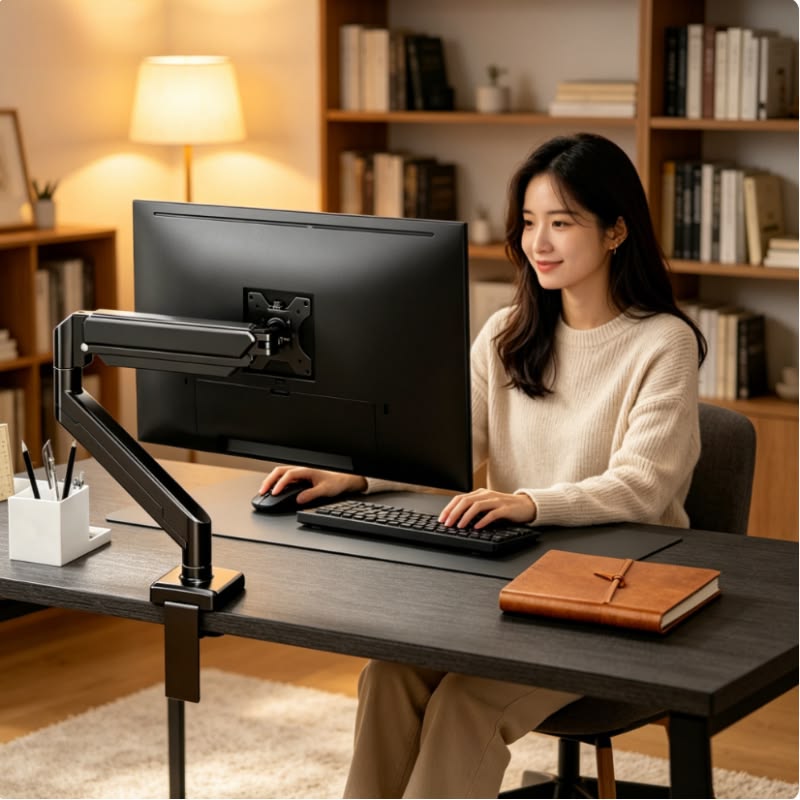
An Adjustable Monitor Stand is a device designed to elevate and position a computer monitor at a customizable height and viewing angle.
Unlike fixed monitor bases, adjustable stands allow users to tailor screen placement according to their individual ergonomic needs.
Key Characteristics
- Adjustable height settings
- Flexible viewing angles
- Improved monitor positioning
- Space-saving design
- Enhanced workstation organization
- Compatibility with various monitor sizes
These features contribute significantly to workplace comfort and efficiency.
Why Monitor Positioning Matters
Monitor placement directly affects posture, visual comfort, and workplace productivity.
Many people unknowingly work with screens positioned too low or too high, leading to physical strain.
Common Issues Caused by Poor Monitor Placement
Neck Discomfort
Frequent downward viewing angles strain neck muscles.
Shoulder Tension
Poor alignment can increase upper-body stress.
Eye Fatigue
Improper viewing distances contribute to visual strain.
Reduced Productivity
Discomfort often affects concentration and focus.
Correct monitor positioning helps address these challenges.
The Importance of Workplace Ergonomics
Ergonomics focuses on designing environments that support the natural movements and needs of the human body.
Proper ergonomics can significantly improve comfort and long-term wellness.
Core Ergonomic Objectives
Support Natural Posture
Reduce unnecessary strain.
Improve Comfort
Enhance the work experience.
Increase Efficiency
Support productive workflows.
Promote Long-Term Health
Reduce workplace-related discomfort.
An Adjustable Monitor Stand plays an important role in achieving these goals.
Creating Proper Viewing Height
One of the primary functions of a monitor stand is raising the screen to an ergonomically appropriate position.
Benefits of Proper Monitor Height
Better Neck Alignment
Encourages a neutral posture.
Reduced Muscular Strain
Minimizes tension in the neck and shoulders.
Improved Comfort
Supports longer work sessions.
Enhanced Focus
Reduces physical distractions.
Small adjustments can have a significant impact on daily comfort.
Supporting Healthy Posture
Posture is a key factor in workplace wellness and productivity.
Poor monitor positioning often contributes to slouching and forward head posture.
Posture Benefits
Upright Sitting Position
Supports spinal alignment.
Reduced Hunching
Promotes healthier habits.
Improved Shoulder Positioning
Encourages relaxation.
Better Overall Ergonomics
Supports physical well-being.
An adjustable stand helps maintain proper posture throughout the workday.
Reducing Eye Strain
Digital eye strain has become increasingly common in modern workplaces.
Monitor placement influences visual comfort significantly.
Visual Comfort Benefits
Improved Viewing Angles
Reduce eye fatigue.
Better Screen Distance
Enhance readability.
Reduced Glare Exposure
Improve visibility.
Increased Focus
Support prolonged screen use.
Proper monitor positioning contributes to a more comfortable viewing experience.
Enhancing Productivity Through Comfort
Comfort and productivity are closely connected.
Workers who experience less physical discomfort often perform more effectively.
Productivity Advantages
Greater Concentration
Reduce ergonomic distractions.
Longer Focus Periods
Support sustained attention.
Improved Workflow
Create a more efficient workstation.
Increased Satisfaction
Enhance the overall work experience.
A comfortable workspace encourages better performance.
A Simple Yet Powerful Workspace Upgrade
Not every productivity improvement requires a major investment.
An Adjustable Monitor Stand is one of the most cost-effective workstation enhancements available.
Why It Works
Easy Installation
Requires minimal setup.
Immediate Benefits
Improves comfort instantly.
Affordable Solution
Provides strong value.
Broad Compatibility
Works with most monitors.
Its simplicity is one of its greatest strengths.
Improving Desk Organization
Monitor stands often contribute to a cleaner and more organized workspace.
Organization Benefits
Additional Storage Space
Utilize the area beneath the monitor.
Reduced Clutter
Create a tidier desk surface.
Better Equipment Placement
Support efficient layouts.
Enhanced Visual Order
Improve workspace aesthetics.
An organized environment supports productivity and focus.
Supporting Multi-Monitor Setups
Many professionals use multiple screens to increase efficiency.
Adjustable stands help align monitors properly.
Multi-Monitor Benefits
Consistent Screen Heights
Improve viewing comfort.
Better Workflow
Support multitasking.
Reduced Neck Movement
Enhance ergonomics.
Professional Appearance
Create organized workstations.
These advantages are particularly valuable in technical and creative professions.
Perfect for Home Offices
Remote work has increased the importance of ergonomic home office setups.
Home Office Advantages
Enhanced Comfort
Support daily productivity.
Better Space Utilization
Optimize desk layouts.
Professional Environment
Improve workspace quality.
Increased Flexibility
Adapt to changing needs.
A monitor stand can significantly improve home office ergonomics.
Beneficial for Students and Learners
Students often spend extended periods reading, researching, and attending online classes.
Educational Benefits
Better Posture
Support healthy study habits.
Improved Focus
Reduce discomfort-related distractions.
Increased Comfort
Enhance learning experiences.
Organized Study Spaces
Promote productivity.
These advantages support academic success.
The Role of Ergonomics in Long-Term Wellness
Ergonomic improvements contribute to overall workplace health.
Small changes often produce meaningful long-term benefits.
Wellness Advantages
Reduced Physical Strain
Support musculoskeletal health.
Improved Comfort
Enhance daily experiences.
Better Work Habits
Encourage healthy positioning.
Increased Sustainability
Support long-term productivity.
Ergonomics should be viewed as an investment in well-being.
Compatibility with Modern Workspace Design
Adjustable monitor stands integrate seamlessly into contemporary environments.
Minimalist Workspaces
Support clean and organized layouts.
Benefits
- Simplicity
- Functionality
- Visual clarity
Corporate Offices
Enhance professional workstations.
Advantages
- Improved ergonomics
- Better organization
- Increased efficiency
Creative Studios
Support flexible workflows.
Characteristics
- Adaptability
- Workspace optimization
- Modern aesthetics
Gaming Setups
Enhance comfort during extended sessions.
Benefits
- Better screen positioning
- Reduced fatigue
- Improved immersion
Their versatility contributes to widespread popularity.
Durability and Long-Term Value
Quality monitor stands provide years of reliable performance.
Key Benefits
Stable Construction
Support monitor safety.
Adjustable Flexibility
Adapt to changing needs.
Long Lifespan
Deliver lasting value.
Improved Workspace Efficiency
Enhance daily functionality.
These characteristics make them a worthwhile investment.
Future Trends in Ergonomic Workspaces
Several emerging trends continue to emphasize the importance of ergonomic accessories.
Growing Priorities
Workplace Wellness
Supporting employee health.
Remote Work Optimization
Improving home office setups.
Flexible Workstations
Adapting to diverse needs.
Human-Centered Design
Prioritizing comfort and efficiency.
Adjustable monitor stands align perfectly with these developments.
Why Professionals Choose Adjustable Monitor Stands
Professionals increasingly invest in monitor stands because they offer:
- Better ergonomics
- Improved posture
- Enhanced productivity
- Greater workspace organization
- Cost-effective performance improvements
Few workspace accessories provide such significant benefits with such minimal effort.
Conclusion
The Adjustable Monitor Stand may seem like a small addition to a workspace, but its impact on ergonomics, comfort, and productivity can be substantial. By improving monitor positioning, supporting healthy posture, reducing eye strain, and enhancing desk organization, it addresses many of the challenges associated with modern computer-based work.
Its affordability, versatility, and ease of implementation make it one of the smartest upgrades available for professionals, students, remote workers, and anyone who spends significant time in front of a screen. Whether used in a corporate office, home workspace, creative studio, or gaming setup, the Adjustable Monitor Stand delivers meaningful improvements that contribute to a healthier and more efficient work environment.
As workplace design continues to prioritize wellness, flexibility, and productivity, this simple yet powerful accessory remains an essential tool for creating ergonomic workspaces that support both performance and long-term well-being.
