Post
Compact Home Office Furniture: Designing Productive Small Spaces
Jun
Compact Home Office Furniture: Designing Productive Small Spaces
Introduction
The rise of remote work, online learning, freelancing, entrepreneurship, and hybrid work arrangements has fundamentally transformed how people use their homes. Today, having a dedicated workspace is no longer a luxury reserved for large houses or corporate executives. Instead, individuals are increasingly finding creative ways to establish functional work environments within apartments, condos, dormitories, and smaller homes.
However, limited square footage presents unique challenges. Many people struggle to balance productivity, organization, comfort, and style within compact spaces. This is where Compact Home Office Furniture becomes essential. Specifically designed to maximize efficiency while minimizing spatial requirements, compact office furniture allows users to create highly functional workspaces without sacrificing comfort or aesthetics.
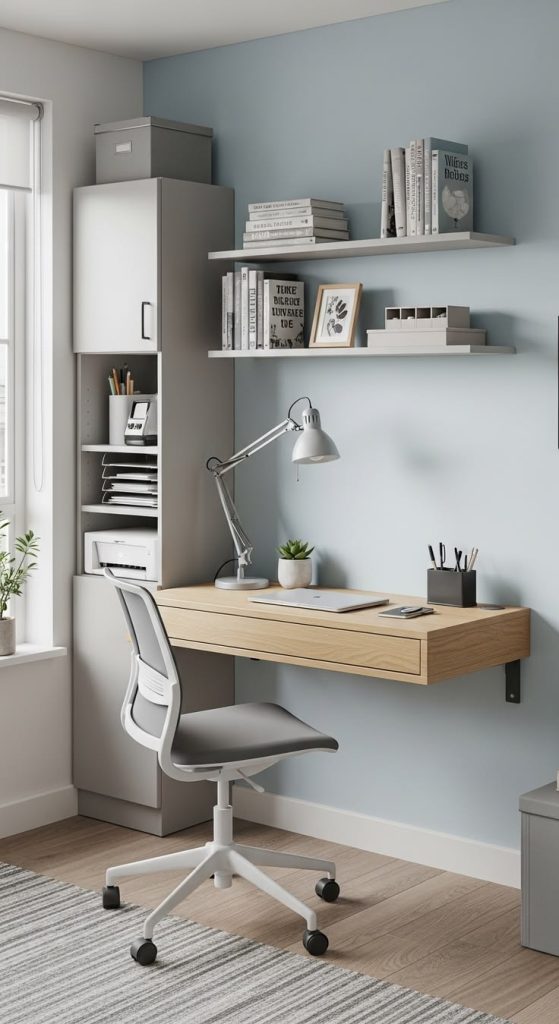
From space-saving desks and multifunctional storage units to ergonomic chairs and wall-mounted shelving systems, compact home office furniture offers innovative solutions for modern living. These thoughtfully designed pieces help transform unused corners, spare bedrooms, living room niches, and even hallway alcoves into productive and inspiring work environments.
This comprehensive guide explores how Compact Home Office Furniture enables homeowners to design productive small spaces while maintaining comfort, organization, and contemporary style.
What Is Compact Home Office Furniture?
Compact Home Office Furniture refers to workspace furnishings specifically designed for smaller environments where space efficiency is a priority.
Unlike traditional office furniture, compact pieces emphasize functionality, flexibility, and efficient use of available square footage.
Key Characteristics
- Space-saving dimensions
- Multifunctional design
- Smart storage solutions
- Lightweight visual presence
- Ergonomic functionality
- Modern aesthetics
These qualities make compact office furniture ideal for contemporary homes.
The Growth of Small-Space Living
Urbanization, rising housing costs, and changing lifestyles have contributed to increasing demand for smaller living spaces.
As homes become more compact, furniture must adapt accordingly.
Modern Living Priorities
Space Efficiency
Maximize every square foot.
Flexibility
Support multiple functions.
Organization
Reduce clutter.
Comfort
Maintain usability.
Compact office furniture addresses each of these needs effectively.
Why Dedicated Workspaces Matter
Working from a dining table or sofa may seem convenient initially, but dedicated workspaces often produce better outcomes.
Benefits of a Dedicated Workspace
Improved Focus
Reduce distractions.
Enhanced Productivity
Support efficient workflows.
Better Organization
Keep work materials accessible.
Professional Environment
Encourage work-life separation.
Even small workspaces can provide significant benefits when thoughtfully designed.
Maximizing Functionality in Limited Spaces
The primary goal of compact office furniture is maximizing usability within restricted dimensions.
Space Optimization Strategies
Vertical Storage
Utilize wall space effectively.
Multifunctional Furniture
Combine multiple purposes.
Efficient Layouts
Reduce wasted space.
Compact Footprints
Maintain openness.
These strategies help create highly functional small offices.
The Importance of Smart Furniture Design
Modern furniture design focuses on solving practical challenges while maintaining visual appeal.
Compact office furniture exemplifies this philosophy.
Design Priorities
Flexibility
Adapt to changing needs.
Simplicity
Reduce visual clutter.
Accessibility
Improve workflow efficiency.
Durability
Support long-term use.
Thoughtful design contributes significantly to workspace success.
Compact Desks: The Foundation of Small Workspaces
A desk is often the centerpiece of any home office.
Compact desks provide essential functionality without overwhelming the room.
Popular Desk Features
Slim Profiles
Conserve valuable floor space.
Built-In Storage
Enhance organization.
Minimalist Design
Support visual openness.
Versatile Placement
Fit various room configurations.
Compact desks help establish productive work environments even in limited areas.
Ergonomic Solutions for Small Offices
Space limitations should never compromise comfort.
Ergonomic furniture remains essential regardless of workspace size.
Ergonomic Benefits
Proper Posture Support
Reduce physical strain.
Enhanced Comfort
Support long work sessions.
Increased Productivity
Minimize distractions.
Long-Term Wellness
Promote healthier work habits.
Compact ergonomic furniture helps balance comfort and efficiency.
The Power of Multifunctional Furniture
Multifunctional furniture is one of the most effective solutions for small spaces.
Popular Multifunctional Features
Storage-Integrated Desks
Combine work surfaces and organization.
Convertible Furniture
Adapt to different activities.
Foldable Designs
Save space when not in use.
Modular Components
Support customization.
These innovations maximize usability without increasing spatial demands.
Utilizing Vertical Space Effectively
Wall space often represents untapped storage potential.
Vertical solutions help free valuable floor area.
Vertical Storage Options
Floating Shelves
Provide accessible storage.
Wall-Mounted Cabinets
Reduce clutter.
Pegboard Systems
Offer flexible organization.
Overhead Storage
Increase capacity.
Vertical organization is particularly valuable in compact environments.
Creating an Organized Workspace
Organization directly impacts productivity and comfort.
Small spaces require especially thoughtful storage strategies.
Organizational Benefits
Reduced Clutter
Maintain visual order.
Faster Access
Improve efficiency.
Better Focus
Minimize distractions.
Increased Productivity
Support workflow management.
An organized office feels larger and functions more effectively.
Supporting Remote and Hybrid Work
The evolution of modern work has increased demand for flexible home office solutions.
Compact furniture supports these changing requirements.
Workplace Benefits
Professional Work Environment
Improve focus and performance.
Efficient Space Utilization
Adapt to residential settings.
Flexible Configurations
Support multiple tasks.
Long-Term Functionality
Accommodate evolving needs.
Compact office furniture plays a vital role in modern work-from-home success.
Balancing Style and Practicality
A productive workspace should also complement the overall design of the home.
Design Benefits
Visual Cohesion
Integrate with existing décor.
Contemporary Appeal
Enhance aesthetics.
Minimalist Elegance
Reduce visual noise.
Personal Expression
Reflect individual preferences.
Beautiful workspaces often contribute to greater satisfaction and motivation.
The Role of Natural Light
Workspace design extends beyond furniture selection.
Natural light significantly influences productivity and well-being.
Benefits of Natural Light
Improved Mood
Enhance workplace satisfaction.
Better Focus
Support concentration.
Reduced Eye Strain
Improve visual comfort.
Increased Energy
Boost productivity.
Positioning compact furniture near natural light sources can maximize these benefits.
Popular Materials for Compact Office Furniture
Material selection influences durability, aesthetics, and functionality.
Common Materials
Solid Wood
Provide warmth and longevity.
Walnut
Offer premium sophistication.
Oak
Create timeless appeal.
Metal
Support industrial aesthetics.
Engineered Wood
Balance affordability and performance.
These materials contribute to both functionality and design quality.
Compatibility with Popular Interior Styles
Compact office furniture adapts seamlessly to diverse design environments.
Modern Minimalist Interiors
Prioritize simplicity and efficiency.
Benefits
- Visual clarity
- Functional elegance
- Space optimization
Scandinavian Design
Emphasize warmth and practicality.
Advantages
- Natural materials
- Clean lines
- Comfortable environments
Contemporary Homes
Support versatile living arrangements.
Characteristics
- Adaptability
- Sophisticated aesthetics
- Efficient layouts
Industrial-Inspired Spaces
Combine functionality with character.
Benefits
- Durable materials
- Urban appeal
- Practical design
Their versatility makes them suitable for virtually any home.
The Psychology of Well-Designed Small Spaces
Workspace quality significantly influences emotional well-being.
Psychological Benefits
Reduced Stress
Support organization and order.
Greater Focus
Minimize distractions.
Increased Motivation
Create inspiring environments.
Enhanced Satisfaction
Improve daily experiences.
Thoughtful furniture choices contribute to a more positive work environment.
Durability and Long-Term Value
Quality compact office furniture is designed to deliver years of reliable performance.
Long-Term Benefits
Durable Construction
Support daily use.
Adaptable Functionality
Accommodate changing needs.
Timeless Design
Maintain relevance.
Excellent Investment Value
Provide lasting utility.
Longevity enhances both financial and environmental sustainability.
Sustainability Through Efficient Design
Compact furniture often supports sustainable living principles.
Environmental Advantages
Reduced Material Usage
Minimize resource consumption.
Smaller Footprints
Support efficient living.
Long Product Lifespans
Reduce waste.
Multifunctionality
Decrease furniture requirements.
Sustainability remains an increasingly important consideration for consumers.
Future Trends in Small-Space Home Offices
Several emerging trends continue to influence compact workspace design.
Growing Preferences
Flexible Work Environments
Supporting diverse lifestyles.
Multifunctional Furniture
Maximizing usability.
Minimalist Design
Reducing clutter.
Wellness-Oriented Workspaces
Prioritizing comfort and health.
Compact home office furniture aligns perfectly with these evolving trends.
Why Compact Home Office Furniture Is Essential Today
Modern homeowners increasingly choose compact office furniture because it offers:
- Efficient use of limited space
- Improved productivity
- Enhanced organization
- Greater flexibility
- Contemporary style
Few furniture categories provide such a powerful combination of practical and aesthetic benefits.
Conclusion
The Compact Home Office Furniture category represents one of the most important innovations in contemporary interior design. By maximizing functionality, supporting organization, and optimizing limited square footage, these thoughtfully designed furnishings allow individuals to create productive workspaces in virtually any home environment.
Whether furnishing a dedicated office, transforming a spare corner into a workstation, or designing a flexible hybrid workspace, compact furniture provides the tools needed to balance efficiency, comfort, and style. Its ability to support modern work habits while maintaining visual harmony makes it an invaluable investment for today’s homeowners.
As remote work, flexible living, and efficient design continue to shape the future of residential spaces, Compact Home Office Furniture remains a smart and practical solution for designing productive small spaces without compromising quality or aesthetics.
