Post
Professional Workspace Design: Choosing Furniture for Long-Term Success
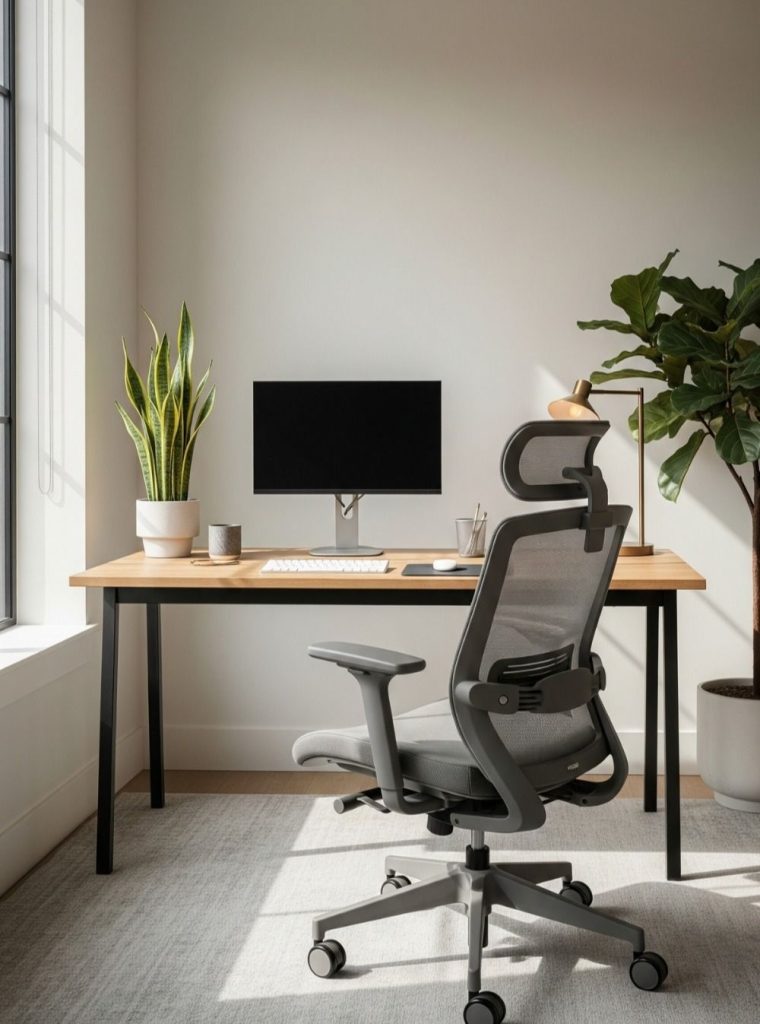
Jun
Professional Workspace Design: Choosing Furniture for Long-Term Success
Introduction
A professional workspace is more than a place where work gets done—it is an environment that directly influences productivity, creativity, collaboration, employee well-being, and business performance. Whether designing a corporate office, executive suite, coworking space, creative studio, or home office, the furniture chosen today can have a lasting impact on efficiency and long-term success.
In recent years, workplace design has evolved significantly. Organizations and professionals now recognize that office furniture is not merely a functional necessity but a strategic investment. The right furniture can improve posture, enhance focus, support teamwork, strengthen company culture, and create an environment where people perform at their best. Conversely, poorly designed workspaces can contribute to discomfort, inefficiency, and reduced engagement.
This is why Professional Workspace Design requires thoughtful planning and careful furniture selection. Long-term success depends on choosing pieces that balance ergonomics, durability, flexibility, aesthetics, and functionality. From desks and chairs to storage systems and collaborative furniture, every element contributes to the overall effectiveness of the workspace.
This comprehensive guide explores how to choose office furniture that supports long-term success while creating a productive, comfortable, and future-ready workplace.

Why Workspace Design Matters
The physical environment plays a major role in shaping workplace experiences.
Employees and professionals spend a significant portion of their day interacting with furniture and workspace layouts.
Benefits of Effective Workspace Design
Increased Productivity
Support efficient workflows.
Improved Employee Well-Being
Enhance physical comfort.
Greater Workplace Satisfaction
Create positive experiences.
Stronger Professional Image
Reflect organizational values.
A well-designed workspace contributes directly to performance and success.
Understanding Long-Term Success in Workplace Design
Long-term success goes beyond immediate functionality.
Furniture investments should continue delivering value for years to come.
Key Objectives
Durability
Withstand daily use.
Adaptability
Accommodate changing needs.
Comfort
Support sustained productivity.
Timeless Design
Remain visually relevant.
Successful workspace design considers both present and future requirements.
The Foundation: Choosing the Right Desk
The desk is often the centerpiece of any workspace.
Selecting the right desk is essential for long-term efficiency.
Important Considerations
Work Surface Size
Support daily tasks comfortably.
Storage Requirements
Maintain organization.
Material Quality
Ensure durability.
Ergonomic Compatibility
Promote healthy work habits.
A quality desk provides the foundation for productive work.
The Importance of Ergonomic Seating
Office chairs have a direct impact on comfort, health, and performance.
Investing in ergonomic seating is one of the most valuable workplace decisions.
Benefits of Ergonomic Chairs
Proper Posture Support
Reduce physical strain.
Enhanced Comfort
Support extended work sessions.
Improved Focus
Minimize discomfort-related distractions.
Long-Term Wellness
Promote musculoskeletal health.
Comfortable seating contributes significantly to workplace success.
Prioritizing Ergonomics Across the Workspace
Ergonomics extends beyond chairs and desks.
Every component should support natural movement and positioning.
Ergonomic Principles
Proper Monitor Placement
Reduce neck strain.
Accessible Storage
Minimize repetitive movements.
Flexible Workstations
Support posture changes.
Adjustable Components
Accommodate diverse users.
Ergonomic design improves both health and productivity.
Flexibility as a Long-Term Strategy
Work environments continue to evolve.
Furniture should be able to adapt to changing requirements.
Flexible Furniture Features
Modular Components
Allow reconfiguration.
Adjustable Workstations
Support different tasks.
Mobile Furniture
Increase adaptability.
Multifunctional Designs
Maximize utility.
Flexible solutions help future-proof workspace investments.
Supporting Hybrid and Remote Work Models
Modern work is increasingly flexible.
Organizations must create environments that support various work styles.
Workspace Priorities
Individual Focus Work
Provide concentration zones.
Collaborative Areas
Encourage teamwork.
Remote Work Integration
Support digital connectivity.
Adaptable Layouts
Accommodate changing needs.
Furniture plays a critical role in supporting these objectives.
Storage Solutions for Organizational Success
Organization remains essential for workplace efficiency.
Thoughtful storage systems help maintain order and accessibility.
Effective Storage Options
Filing Cabinets
Manage important documents.
Modular Storage Units
Adapt to changing needs.
Floating Shelves
Maximize vertical space.
Mobile Storage Solutions
Increase flexibility.
Organized environments support better workflows.
Choosing Durable Materials
Material quality significantly affects longevity and performance.
Popular Furniture Materials
Solid Wood
Provide strength and timeless appeal.
Walnut
Offer premium sophistication.
Oak
Deliver durability and versatility.
Metal
Enhance structural integrity.
High-Performance Fabrics
Support long-term comfort.
Investing in quality materials reduces replacement costs over time.
The Role of Aesthetics in Professional Spaces
Visual design influences workplace perception and morale.
A well-designed office creates positive impressions.
Aesthetic Benefits
Professional Appearance
Strengthen brand image.
Employee Pride
Enhance workplace satisfaction.
Client Confidence
Create strong first impressions.
Visual Harmony
Support comfort and focus.
Aesthetics contribute significantly to overall workplace success.
Creating Spaces That Encourage Productivity
Productive environments are intentionally designed.
Furniture selection plays a central role.
Productivity Factors
Comfortable Seating
Support concentration.
Efficient Layouts
Reduce unnecessary movement.
Organized Workstations
Minimize distractions.
Functional Design
Improve workflow efficiency.
Thoughtful furniture choices directly impact performance.
The Importance of Employee Well-Being
Workplace wellness has become a major priority for organizations.
Furniture should actively support employee health.
Wellness Benefits
Improved Comfort
Enhance daily experiences.
Reduced Physical Stress
Support healthy posture.
Increased Energy
Promote workplace vitality.
Greater Job Satisfaction
Improve overall engagement.
Well-being and productivity are closely connected.
Designing for Collaboration
Many modern workplaces emphasize teamwork and communication.
Furniture can facilitate effective collaboration.
Collaborative Furniture Features
Flexible Seating
Support group interaction.
Shared Workstations
Encourage teamwork.
Mobile Tables
Adapt to changing needs.
Informal Meeting Areas
Promote creative discussions.
Collaborative spaces strengthen organizational effectiveness.
Technology Integration in Modern Furniture
Technology plays an essential role in contemporary workplaces.
Furniture should support digital workflows.
Technology-Friendly Features
Cable Management Systems
Reduce clutter.
Integrated Power Solutions
Increase convenience.
Device Compatibility
Support modern equipment.
Smart Furniture Options
Enhance functionality.
Technology integration improves workplace efficiency.
The Value of Sustainable Furniture Choices
Sustainability is increasingly important in workspace design.
Long-lasting furniture supports environmental responsibility.
Sustainable Benefits
Reduced Waste
Minimize replacement frequency.
Durable Construction
Extend product lifespan.
Responsible Materials
Support eco-conscious practices.
Long-Term Value
Reduce lifecycle costs.
Sustainable investments benefit both organizations and the environment.
Compatibility with Different Workspace Types
Professional furniture should support a variety of environments.
Corporate Offices
Prioritize efficiency and professionalism.
Benefits
- Structured organization
- Strong brand image
- Employee productivity
Home Offices
Balance comfort and functionality.
Advantages
- Space efficiency
- Professional appearance
- Daily usability

Creative Studios
Support innovation and flexibility.
Characteristics
- Adaptability
- Collaboration
- Inspiration
Coworking Spaces
Accommodate diverse users.
Benefits
- Flexibility
- Scalability
- Broad functionality
Versatile furniture solutions support diverse workplace needs.
The Psychology of Workplace Design
Workspace design influences how people think, feel, and perform.
Psychological Benefits
Reduced Stress
Promote organization and comfort.
Improved Focus
Support concentration.
Enhanced Motivation
Create inspiring environments.
Greater Satisfaction
Improve workplace experiences.
Thoughtful design contributes to stronger outcomes.
Future Trends in Professional Workspace Design
Several emerging trends continue to shape furniture selection.
Growing Priorities
Wellness-Oriented Design
Supporting employee health.
Flexible Workspaces
Accommodating diverse work styles.
Smart Furniture
Enhancing functionality.
Sustainable Solutions
Promoting responsible consumption.
Professional workspaces must evolve alongside these trends.
Why Furniture Is a Strategic Investment
Furniture influences nearly every aspect of workplace performance.
Organizations increasingly view furniture as a strategic asset rather than a simple expense.
Long-Term Benefits
Increased Productivity
Support effective work.
Reduced Employee Discomfort
Improve wellness.
Enhanced Professional Image
Strengthen brand identity.
Greater Operational Efficiency
Improve workplace functionality.
Quality furniture delivers lasting value.
Conclusion
Professional Workspace Design is about creating environments that support productivity, well-being, adaptability, and long-term success. The furniture selected for a workspace serves as the foundation upon which daily performance, collaboration, and workplace culture are built.
By prioritizing ergonomics, durability, flexibility, technology integration, organization, and timeless aesthetics, businesses and individuals can create workspaces that remain effective and relevant for years to come. Whether furnishing a corporate headquarters, a creative studio, a coworking hub, or a home office, thoughtful furniture choices contribute directly to efficiency, comfort, and professional growth.
As workplace expectations continue to evolve, investing in high-quality, adaptable, and human-centered furniture remains one of the smartest decisions organizations and professionals can make. The right workspace design not only supports today’s goals but also provides the foundation for long-term success in an increasingly dynamic and competitive world.
