Post
Smart Home Office Furniture Trends Transforming Remote Work
Jun
Smart Home Office Furniture Trends Transforming Remote Work
Introduction
Remote work has evolved from a temporary solution into a permanent component of modern professional life. Businesses worldwide have embraced hybrid and fully remote work models, while millions of professionals now rely on home offices as their primary work environments. As this shift continues, the expectations for home office design have changed dramatically. Productivity, comfort, technology integration, flexibility, and wellness are no longer optional—they are essential.
At the center of this evolution is a new generation of Smart Home Office Furniture. Unlike traditional office furnishings, smart furniture incorporates advanced technology, ergonomic innovation, and adaptive functionality to create workspaces that actively support the needs of modern professionals. From height-adjustable desks with memory settings to intelligent lighting systems, integrated charging solutions, and wellness-focused seating, smart furniture is transforming how people work from home.
Today’s home office is no longer just a desk and chair placed in a spare room. It has become a highly personalized, technology-enabled environment designed to improve efficiency, support health, and enhance the overall remote work experience. As innovation continues to reshape workplace design, smart furniture trends are playing a crucial role in defining the future of remote work.
This comprehensive guide explores the most influential Smart Home Office Furniture trends transforming remote work and explains why these innovations are becoming essential investments for modern professionals.

The Evolution of the Home Office
The concept of the home office has undergone significant transformation over the past decade.
Originally designed as a secondary workspace, today’s home offices often function as full-time professional environments.
Modern Workspace Priorities
Productivity
Support focused performance.
Flexibility
Adapt to changing work habits.
Wellness
Promote physical and mental health.
Technology Integration
Enhance efficiency and connectivity.
Smart furniture directly addresses these priorities.
What Is Smart Home Office Furniture?
Smart Home Office Furniture refers to office furnishings that incorporate advanced technology, automation, connectivity, or adaptive functionality to improve the user experience.
These products are designed to support productivity, comfort, and workplace wellness.
Key Characteristics
- Technology integration
- Ergonomic adaptability
- Automated features
- Connectivity options
- Wellness-focused design
- Space optimization
Together, these elements create more efficient and responsive work environments.
Trend #1: Smart Standing Desks
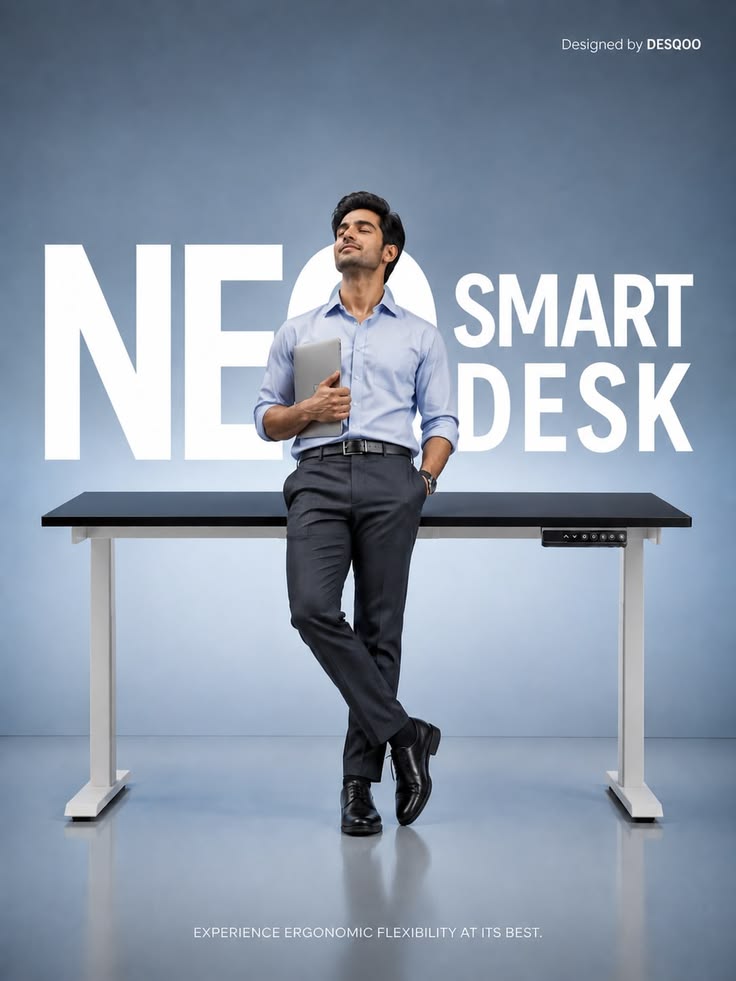
One of the most significant developments in home office furniture is the rise of intelligent standing desks.
Modern desks now offer far more than simple height adjustment.
Popular Features
Programmable Memory Settings
Store preferred working heights.
App Connectivity
Track usage and habits.
Movement Reminders
Encourage healthier work routines.
Quiet Electric Motors
Provide smooth adjustments.
These desks help users alternate between sitting and standing throughout the day.
Why Standing Desks Continue to Grow
Professionals increasingly recognize the value of movement during work hours.
Benefits
Improved Comfort
Reduce prolonged static positioning.
Enhanced Energy
Promote alertness.
Better Ergonomics
Support posture changes.
Increased Flexibility
Adapt to different tasks.
Standing desks have become a cornerstone of modern smart workspaces.
Trend #2: Ergonomic Smart Seating
Office chairs have evolved far beyond basic comfort.
Today’s ergonomic chairs often incorporate intelligent features designed to improve workplace wellness.
Emerging Features
Posture Monitoring
Provide real-time feedback.
Adaptive Lumbar Support
Respond to body positioning.
Pressure Distribution Technology
Enhance long-term comfort.
Movement Tracking
Encourage healthy sitting habits.
These innovations help reduce physical strain during extended work sessions.
Trend #3: Integrated Charging Solutions
The modern workspace relies on multiple devices simultaneously.
Smart furniture increasingly includes built-in charging capabilities.
Popular Integrations
Wireless Charging Pads
Eliminate cable clutter.
USB-C Charging Ports
Support modern devices.
Power Management Systems
Improve organization.
Integrated Outlets
Increase convenience.
These features streamline daily workflows significantly.
Trend #4: Smart Lighting Integration
Lighting plays a critical role in productivity and well-being.
Furniture manufacturers are increasingly incorporating lighting solutions directly into workspace designs.
Benefits
Adjustable Brightness
Support various tasks.
Color Temperature Control
Adapt to different times of day.
Reduced Eye Strain
Improve visual comfort.
Enhanced Workspace Ambiance
Create better working environments.
Smart lighting contributes to healthier and more productive work habits.
Trend #5: Modular and Adaptive Furniture
Remote workspaces often serve multiple purposes.
As a result, flexibility has become a major design priority.
Modular Features
Expandable Components
Adapt to changing needs.
Reconfigurable Layouts
Support diverse workflows.
Multi-Purpose Functionality
Maximize usability.
Space Optimization
Improve efficiency.
Modular furniture helps users adapt to evolving work requirements.

Trend #6: Technology-Friendly Cable Management
As technology usage increases, cable organization becomes increasingly important.
Smart Cable Management Solutions
Hidden Cable Channels
Reduce visual clutter.
Integrated Routing Systems
Improve organization.
Charging Hubs
Centralize power access.
Desk-Mounted Power Solutions
Enhance convenience.
These features create cleaner and more professional workspaces.
Trend #7: Wellness-Focused Workspace Design
Wellness has become one of the most influential drivers of workplace innovation.
Furniture manufacturers increasingly prioritize user health.
Wellness-Oriented Features
Ergonomic Adjustability
Support physical comfort.
Movement Encouragement
Promote activity.
Posture Optimization
Reduce strain.
Mental Well-Being Support
Create healthier environments.
Wellness-focused design continues to shape the future of office furniture.
Trend #8: Compact Smart Furniture for Small Spaces
Many remote workers operate within limited residential square footage.
Smart furniture increasingly addresses space constraints.
Space-Saving Innovations
Foldable Desks
Maximize flexibility.
Wall-Mounted Workstations
Reduce footprint requirements.
Hidden Storage Systems
Improve organization.
Multifunctional Furniture
Support diverse activities.
These solutions are particularly valuable in urban environments.
Trend #9: AI-Assisted Workspace Personalization
Artificial intelligence is beginning to influence office furniture design.
Future smart workstations may become increasingly personalized.
Potential Applications
Usage Pattern Analysis
Optimize workspace settings.
Automated Adjustments
Respond to user behavior.
Productivity Insights
Improve performance.
Personalized Ergonomics
Support individual needs.
AI integration represents a growing frontier in workplace innovation.
Trend #10: Sustainable Smart Furniture
Environmental responsibility is becoming increasingly important in furniture manufacturing.
Sustainability Trends
Eco-Friendly Materials
Reduce environmental impact.
Energy-Efficient Technology
Support responsible usage.
Durable Construction
Extend product lifespan.
Recyclable Components
Promote sustainability.
Consumers increasingly prioritize environmentally conscious products.
The Impact on Remote Work Productivity
Smart furniture directly influences workplace performance.
Productivity Benefits
Improved Organization
Support efficient workflows.
Reduced Discomfort
Enhance concentration.
Better Ergonomics
Minimize physical strain.
Increased Focus
Create productive environments.
These improvements contribute to stronger overall performance.
The Psychology of Smart Workspaces
Workspace quality influences motivation, engagement, and satisfaction.
Psychological Benefits
Increased Motivation
Encourage productive behavior.
Greater Comfort
Improve daily experiences.
Enhanced Professionalism
Support workplace confidence.
Reduced Stress
Promote organization and control.
A well-designed workspace positively affects mental well-being.
Supporting Hybrid Work Models
Hybrid work arrangements require adaptable environments.
Smart furniture provides flexibility for changing schedules and work styles.
Hybrid Work Advantages
Flexible Configurations
Adapt to various tasks.
Professional Functionality
Support office-level productivity.
Efficient Space Usage
Fit residential environments.
Long-Term Adaptability
Accommodate future changes.
These qualities make smart furniture particularly valuable.
Why Businesses Encourage Smart Home Offices
Organizations increasingly recognize the benefits of supporting effective home workspaces.
Business Benefits
Increased Productivity
Support employee performance.
Improved Well-Being
Enhance workplace satisfaction.
Reduced Physical Strain
Promote health and comfort.
Stronger Engagement
Improve remote work experiences.
Smart furniture investments often produce measurable returns.
Future Trends Shaping Smart Workspaces
Several developments are expected to accelerate innovation in the coming years.
Emerging Priorities
AI-Powered Personalization
Creating adaptive work environments.
Wellness Integration
Supporting holistic health.
Sustainable Manufacturing
Reducing environmental impact.
Seamless Connectivity
Enhancing workplace efficiency.
These trends will continue to redefine home office design.
Why Professionals Are Investing in Smart Furniture
Remote workers increasingly choose smart office furniture because it offers:
- Enhanced productivity
- Better ergonomics
- Improved organization
- Greater flexibility
- Long-term workspace optimization
Few workplace investments provide such a comprehensive combination of benefits.
Conclusion
The rise of Smart Home Office Furniture marks one of the most significant shifts in modern workspace design. As remote work becomes a permanent part of professional life, furniture is evolving from passive equipment into intelligent tools that actively support productivity, comfort, wellness, and efficiency.
From smart standing desks and ergonomic seating to integrated charging systems, adaptive lighting, modular storage, and emerging AI-driven personalization, these innovations are transforming how people interact with their work environments. By combining technology with human-centered design, smart furniture helps create home offices that are not only more functional but also healthier and more enjoyable to use.
As the future of work continues to evolve, Smart Home Office Furniture will remain at the forefront of workplace innovation, providing professionals with the tools they need to thrive in increasingly flexible, connected, and dynamic work environments.
